
Structured cabling
Structured cabling in Tulsa and nearby
Copper and fiber done so the next camera, AP, or display is a drop, not a rebuild. Indoor, outdoor, between buildings, and on a GC schedule. Across Tulsa and nearby towns.
The short answer
Structured cabling is the organized copper and fiber wiring that connects a building's network: drops to desks, cameras, access points and displays, run back to a rack with a labeled patch panel. Phillips Communication Services, serving the Tulsa area, installs Cat6, Cat6A and fiber, labels both ends of each cable and tests the drops.
Cat6 handles most camera, access point and desk runs. Cat6A suits longer or heavier runs that need 10-gigabit speeds with less heat sensitivity. Between buildings, fiber is often the longest-lived path when trenching is practical; when it is not, an outdoor wireless bridge can join the buildings without digging. Cost depends on drop count, cable type, the pathway through the building and whether the space is occupied. PCS prices after reviewing the building or drawings.
Last reviewed October 2026.
What we install
- Cat6 and Cat6A runs for cameras, access points, phones, displays, and desks
- Fiber between buildings and to the closet
- Racks, wall boards, patch panels, and labeling
- Drops for security cameras, door readers, WiFi, and AV
- Testing, with results when your spec calls for them
- Pre-wire for new construction and remodels
- Clean-up and add-on work in existing closets
How a drop is supposed to look
Closet, labeled panel, tested jack
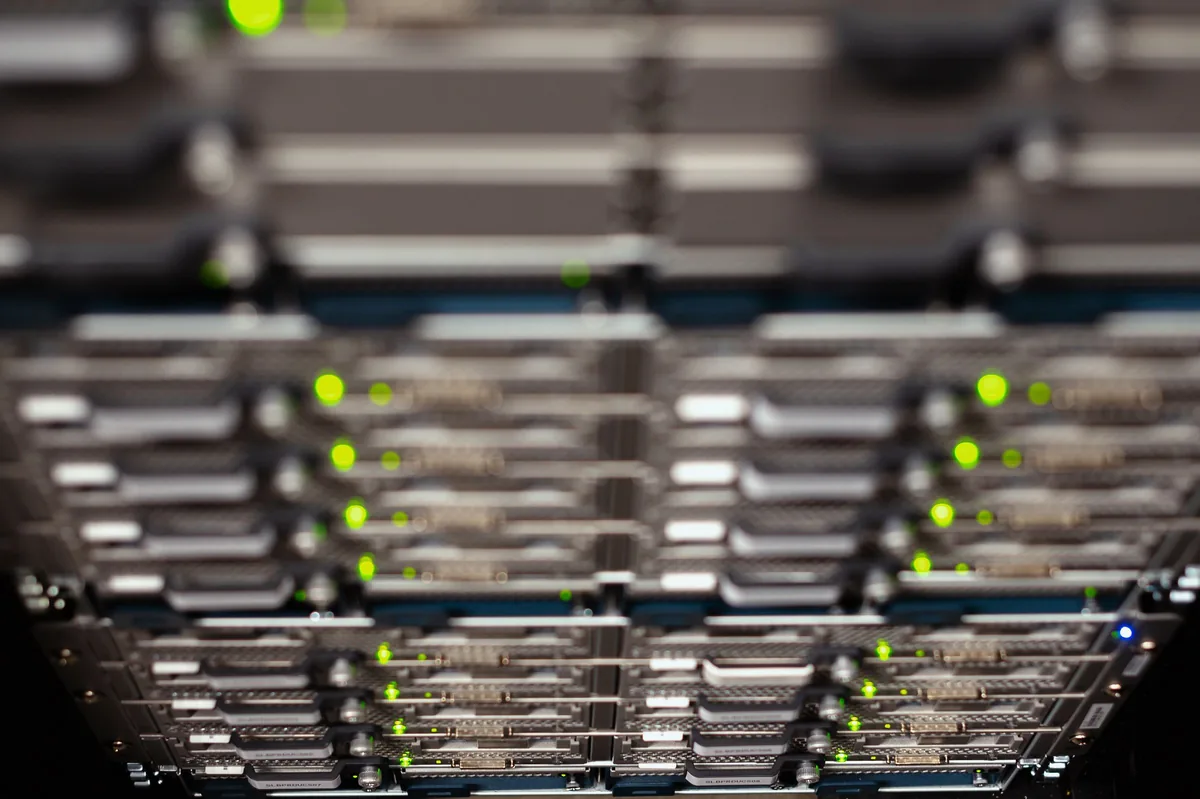
Not a cable stuffed in a wall. A rack or board, a numbered patch panel, a drop that tests, a jack that the next camera or AP can use.
Closet
A rack or wall board with room to grow.
Labeled panel
Every drop numbered at both ends.
Tested jack
A drop that tests, ready for the next camera or AP.
Fiber between buildings vs outdoor wireless. When we can trench or aerial fiber cleanly, that is often the longest-lived path between buildings. When the trench is slow, expensive, or disruptive—and line of sight is open—an outdoor wireless bridge puts the same buildings on one network without tearing up the yard. We install both; the site decides.
Security cameras → Access control → Commercial AV → Business WiFi → Cabling in Tulsa → Claremore → Owasso →
Questions we get
What is the difference between Cat6 and Cat6A?
Cat6A supports 10-gigabit speeds over longer runs and handles heat better in bundles. We recommend by what the drop will carry: cameras and access points usually do fine on Cat6, while heavy or future-proof runs may call for Cat6A.
Do you run fiber between buildings?
Yes, when the path allows trenching or an aerial run. When it does not, an outdoor wireless bridge can be the practical option. We install both and recommend by the site.
How much does structured cabling cost per drop?
It depends on the cable type (Cat6, Cat6A or fiber), the length and the pathway through the building, whether the ceiling or walls are open, whether the space is occupied, and how many drops are in the job. We price after reviewing the building or the drawings and itemize the drops.
Will every cable be labeled and tested?
Yes. We label both ends and test the drops, and we give you the results when the spec calls for them.
Can you pre-wire a new build or remodel?
Yes. We read the drawings before the walls close and install on the GC’s schedule. See our For GCs page.
Start
Send the building and what needs a drop.
We’ll set up a free site walk and write up the cabling plan.